Canada-only fulfilment · Same-day pack nationwide · Batch COAs on every lot
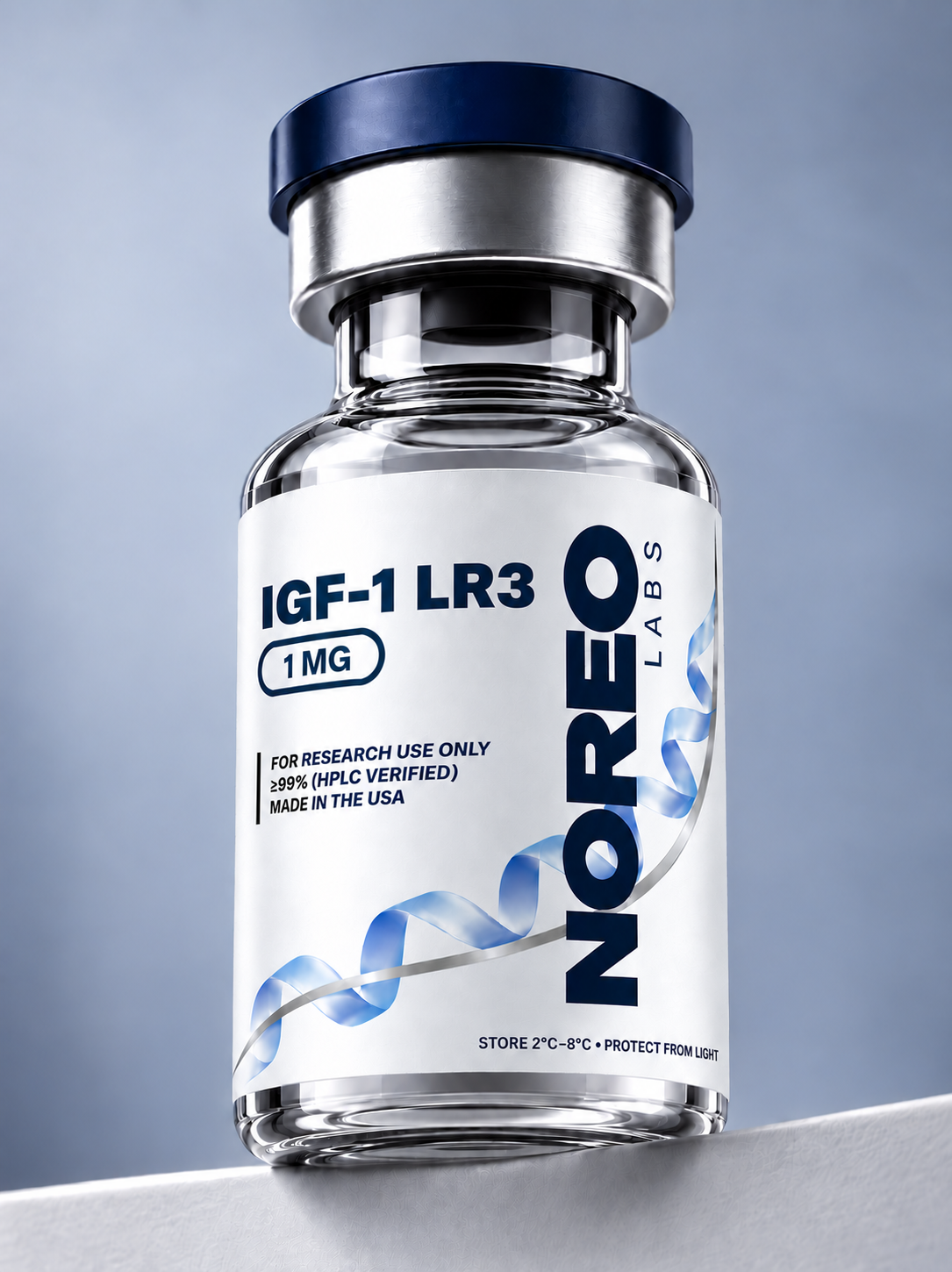
For research use only. Not for human or veterinary use.IGF-1 LR3. For research use only. Not for human or veterinary use.

IGF-1 LR3 research peptide

$158.00 – $2,370.00

For research use only. Not for human or veterinary use.

  • ≥95% by HPLC (lot-specific)
  • Canada fulfilment

Size

Order before 14:00 ET - ships next business day.

Read the research
  • American Express
  • Mastercard
  • Visa
  • Interac
  • Bitcoin
  • PayPal

Third-party lab verified

HPLC + MS

Independently tested for identity and purity

Batch
LR3-071826
Tested
July 18, 2026
Purity
98.9%

Tested by Testides

IGF-1 LR3

$158.00

Product description

IGF-1 LR3 research peptide is supplied to qualified Canadian institutions as a characterized laboratory material for in vitro IGF-receptor and cell-culture studies. The compound is an 83-residue analogue of insulin-like growth factor 1 (Long R3 IGF-1) carrying an arginine substitution at position 3 and a 13-residue N-terminal extension.

In vitro, both modifications reduce affinity for IGF-binding proteins relative to native IGF-1, which is why the analogue is used when an assay must present free ligand to IGF1R in culture media that contain binding proteins. Typical designs record receptor tyrosine-kinase phosphorylation, downstream PI3K/Akt or MAPK markers, or proliferation readouts in IGF1R-expressing cells, with native IGF-1 as a comparator. This listing describes receptor biochemistry in experimental systems only.

The material is offered as a lyophilized vial (approximately 9.1 kDa). Identity verification against PubChem is pending; use the lot COA for mass and purity. Protein products are surface-adsorptive: use low-bind labware, store lyophilized at −20 °C, avoid repeated freeze–thaw of solutions, and handle under the receiving institution's chemical-hygiene plan.

Lots are sourced from a GMP-aligned manufacturing partner and released against the stated HPLC purity for that lot (≥95% by HPLC, lot-specific). Identity, chromatographic purity, and related analytical results are documented on the lot certificate of analysis (COA). Retain the COA with the inventory record.

This listing is a research-use-only peptide offered to qualified Canadian institutions for in vitro and laboratory use. Purchasing access is limited to verified Canadian research institutions; individual consumer accounts are not accepted. It is not for human or veterinary use, is not intended for diagnostic procedures, and has not been evaluated or authorized by Health Canada as a drug, diagnostic, or medical product.

Material specifications

Fields a receiving desk can paste into an order record.

SKU
NL-IGF-1
Pack
1 mg lyophilized vial
Purity
≥95% by HPLC (lot-specific)
Molecular weight
≈9.1 kDa (83 residues)
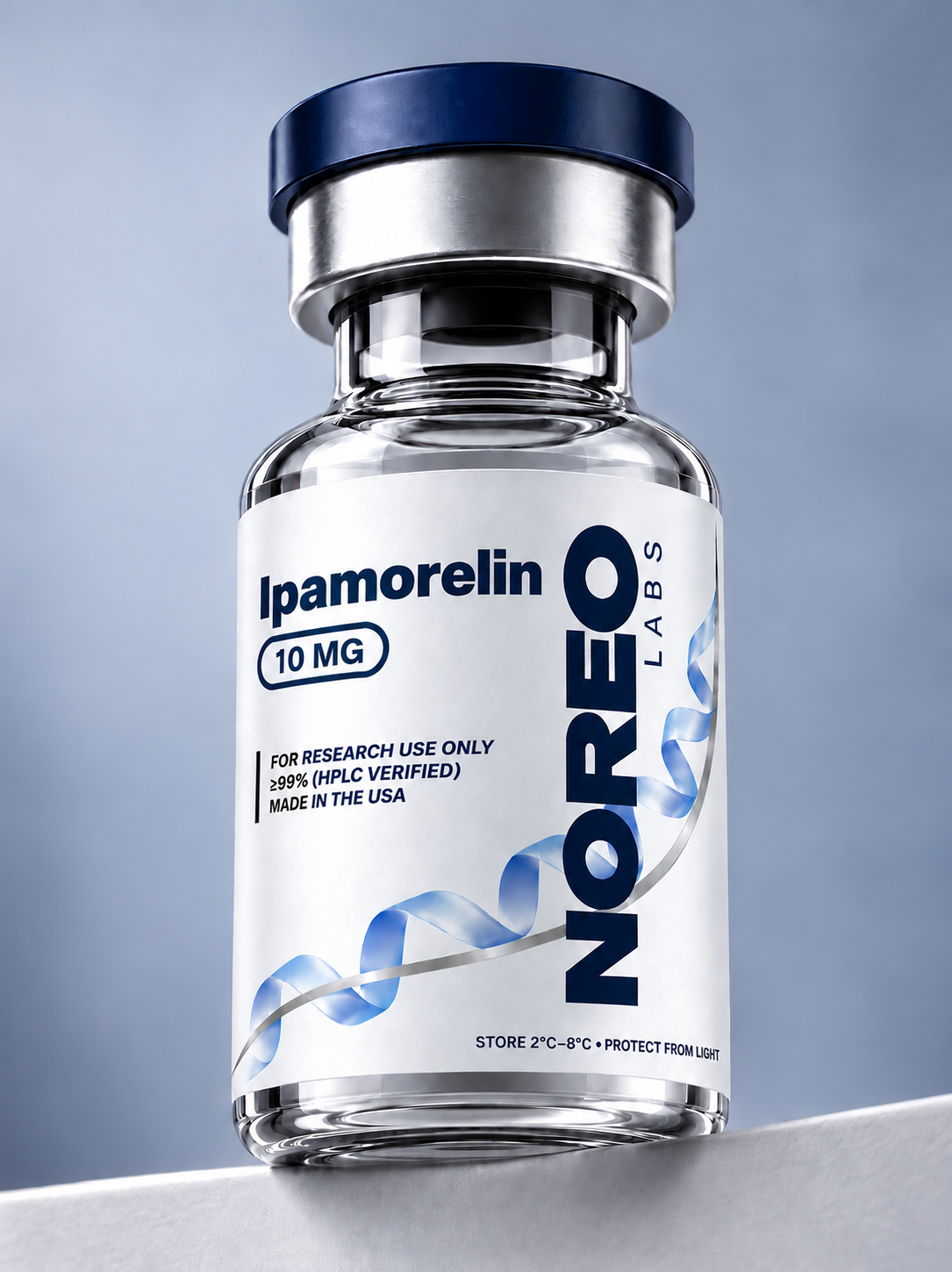
For research use only. Not for human or veterinary use.Ipamorelin. For research use only. Not for human or veterinary use.99.5%COA

Ipamorelin

For research use only. Not for human or veterinary use.

Growth Axis

$74.00

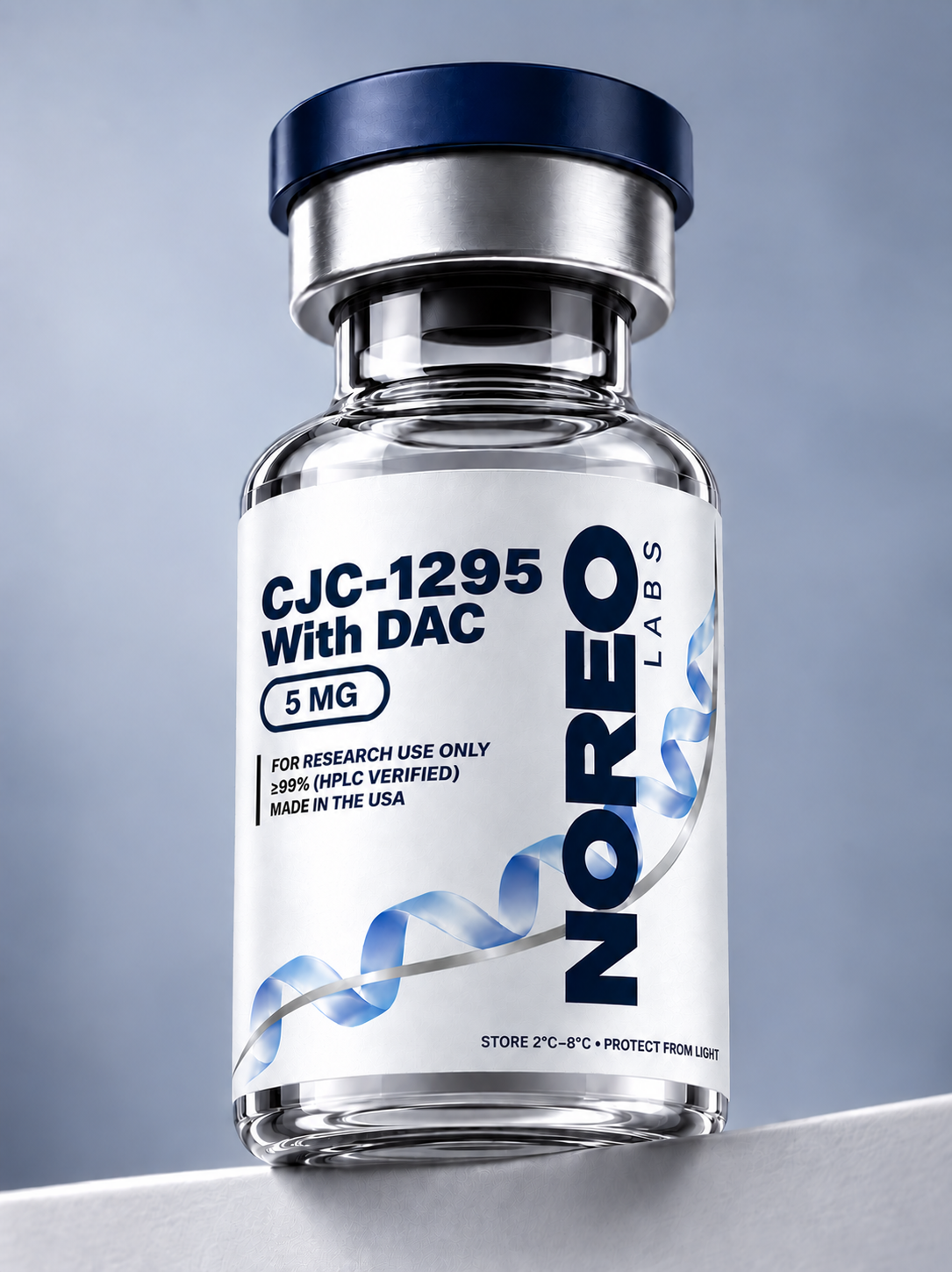
For research use only. Not for human or veterinary use.CJC-1295 (with DAC). For research use only. Not for human or veterinary use.98.8%COA

CJC-1295 (with DAC)

For research use only. Not for human or veterinary use.

Growth Axis

$112.00

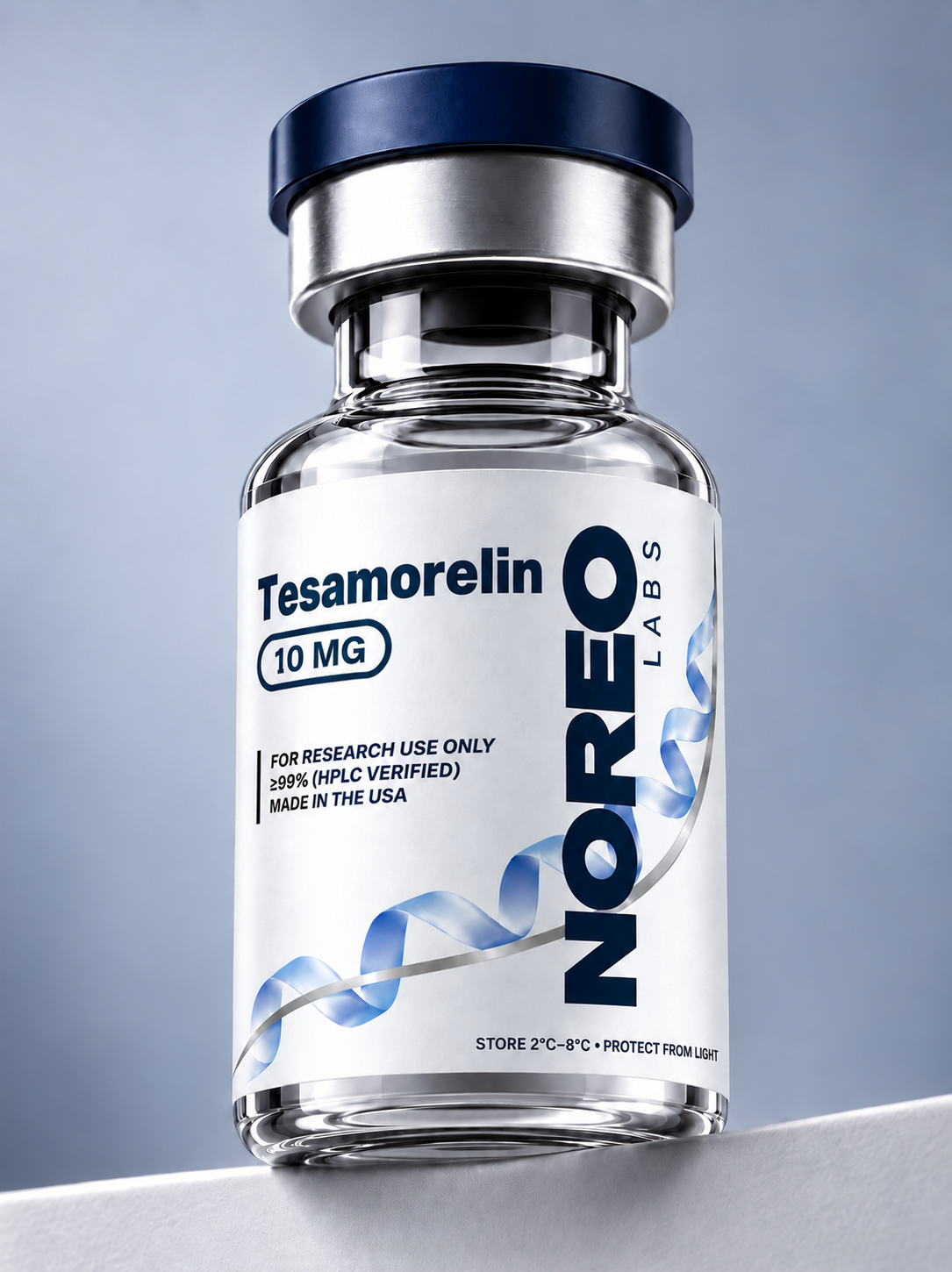
For research use only. Not for human or veterinary use.Tesamorelin. For research use only. Not for human or veterinary use.99.3%COA

Tesamorelin

For research use only. Not for human or veterinary use.

Growth Axis

$176.00

Common questions

IGF-1 LR3 carries arginine in place of glutamate at position 3 plus a 13-residue N-terminal extension, giving 83 residues instead of 70. Both changes reduce affinity for the IGF-binding proteins that normally sequester IGF-1. Receptor affinity is not improved - the analogue simply escapes the regulatory layer that native IGF-1 is subject to.
Cultured cells secrete IGF-binding proteins into the medium, which sequester added native IGF-1 unpredictably. An analogue that binding proteins bind poorly gives a more consistent effective concentration across cell types and culture densities, which is why LR3 became a standard supplement in serum-reduced media.
No published trial literature. The mechanistic work is cell-culture, and the in vivo work is in guinea pigs, pigs, cattle and mice. Recombinant native IGF-1 has been developed as a human medicine under the name mecasermin, but that is a different molecule and its record does not transfer to the LR3 analogue.
A 13-residue N-terminal extension left over from the E. coli fusion-protein construct used to express the analogue, described by King and colleagues in 1992. It was not a designed pharmacological feature; it was retained after Francis and colleagues found the extended forms were potent and the extension further reduced binding-protein affinity.
Almost certainly feedback. Dunaiski and colleagues reported reductions in growth alongside suppressed growth hormone, IGFBP-3 and endogenous IGF-I. IGF-1 signalling normally restrains pituitary growth hormone output, so an analogue that reaches receptors efficiently also suppresses the endogenous axis efficiently - and the net whole-animal result need not favour growth.
It has no indexed entry under that name, which is common for recombinant proteins whose identity depends on expression system and construct rather than on a single canonical structure. Noreo's catalogue therefore reports only an approximate mass and residue count instead of a formula, CAS number or CID.