Canada-only fulfilment · Same-day pack nationwide · Batch COAs on every lot
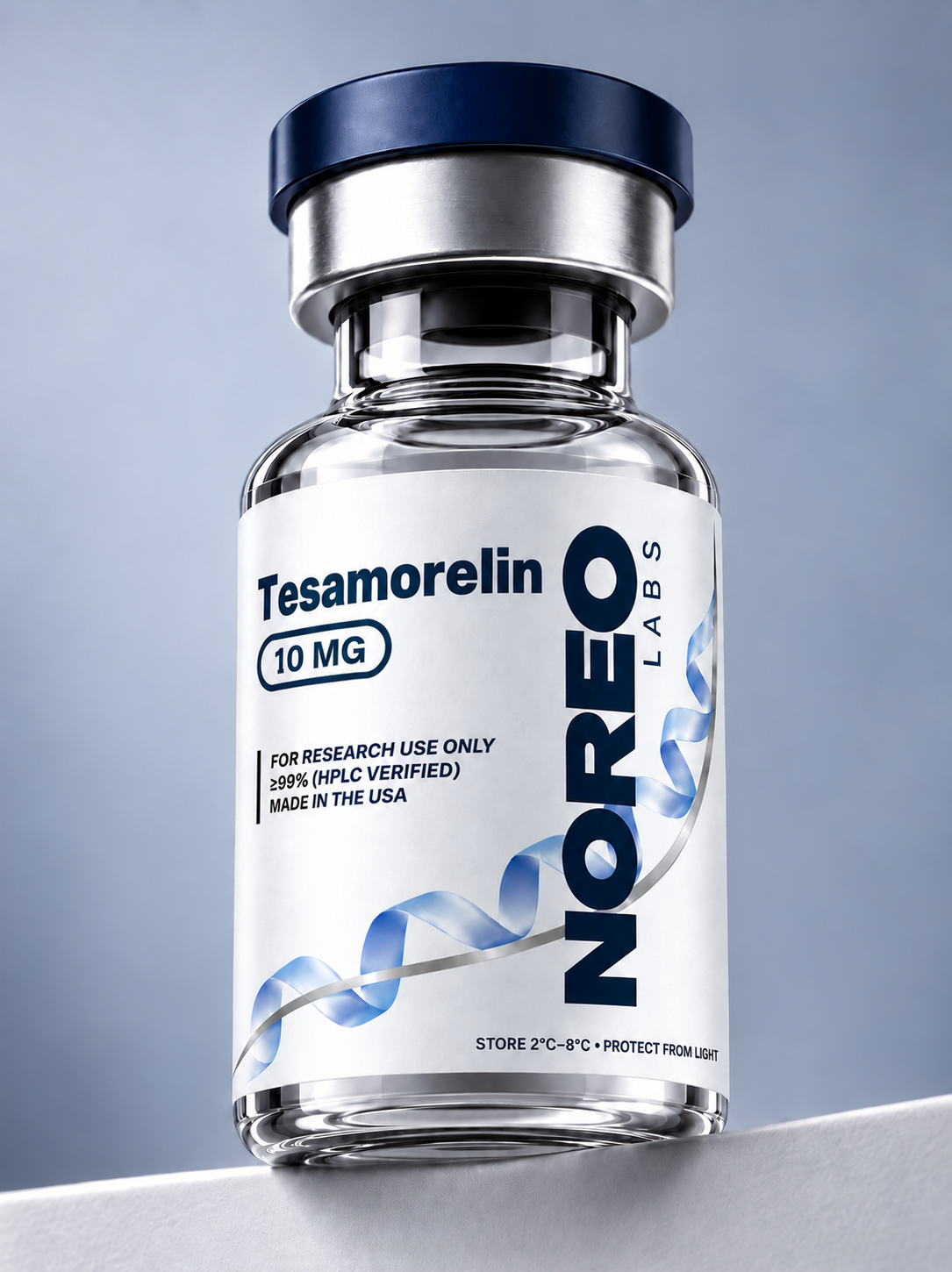
For research use only. Not for human or veterinary use.Tesamorelin. For research use only. Not for human or veterinary use.

Tesamorelin research peptide

$88.00 – $264.00

For research use only. Not for human or veterinary use.

  • ≥98% by HPLC (lot-specific)
  • Canada fulfilment

Size

Order before 14:00 ET - ships next business day.

Read the research
  • American Express
  • Mastercard
  • Visa
  • Interac
  • Bitcoin
  • PayPal

Third-party lab verified

HPLC + MS

Independently tested for identity and purity

Batch
TES-080126
Tested
August 01, 2026
Purity
99.3%

Tested by Testides

Tesamorelin

$176.00

Product description

Tesamorelin research peptide is supplied to qualified Canadian institutions as a characterized laboratory material for in vitro GHRH-receptor studies. The compound is a synthetic analogue of human growth hormone-releasing hormone (1-44) bearing a trans-3-hexenoyl group at the N-terminus (TH9507).

In vitro, the hexenoyl modification reduces cleavage by dipeptidyl peptidase-4 relative to native GHRH, which is why tesamorelin is used as a stabilized reference agonist at the GHRH receptor. Typical assays record receptor occupancy, cAMP or reporter readouts in GHRH-R-expressing cells, and comparisons with GHRH(1-29) analogues such as Modified GRF and CJC-1295 species. This listing describes receptor pharmacology in experimental systems only.

The material is offered as a lyophilized vial. Identity data (CAS 218949-48-5, formula C221H366N72O67S, molecular weight 5135.9 g/mol, PubChem CID 16137828) are listed on the specification table. Store lyophilized at −20 °C, protected from light, and handle under the receiving institution's chemical-hygiene plan.

Lots are sourced from a GMP-aligned peptide manufacturing partner and released against the stated HPLC purity for that lot (≥98% by HPLC, lot-specific). Identity, chromatographic purity, and related analytical results are documented on the lot certificate of analysis (COA). Retain the COA with the inventory record.

This listing is a research-use-only peptide offered to qualified Canadian institutions for in vitro and laboratory use. Purchasing access is limited to verified Canadian research institutions; individual consumer accounts are not accepted. It is not for human or veterinary use, is not intended for diagnostic procedures, and has not been evaluated or authorized by Health Canada as a drug, diagnostic, or medical product.

Material specifications

Fields a receiving desk can paste into an order record.

SKU
NL-TESA-10
Pack
10 mg lyophilized vial
Purity
≥98% by HPLC (lot-specific)
CAS
218949-48-5
Molecular formula
C221H366N72O67S
Molecular weight
5135.9 g/mol
PubChem CID
16137828
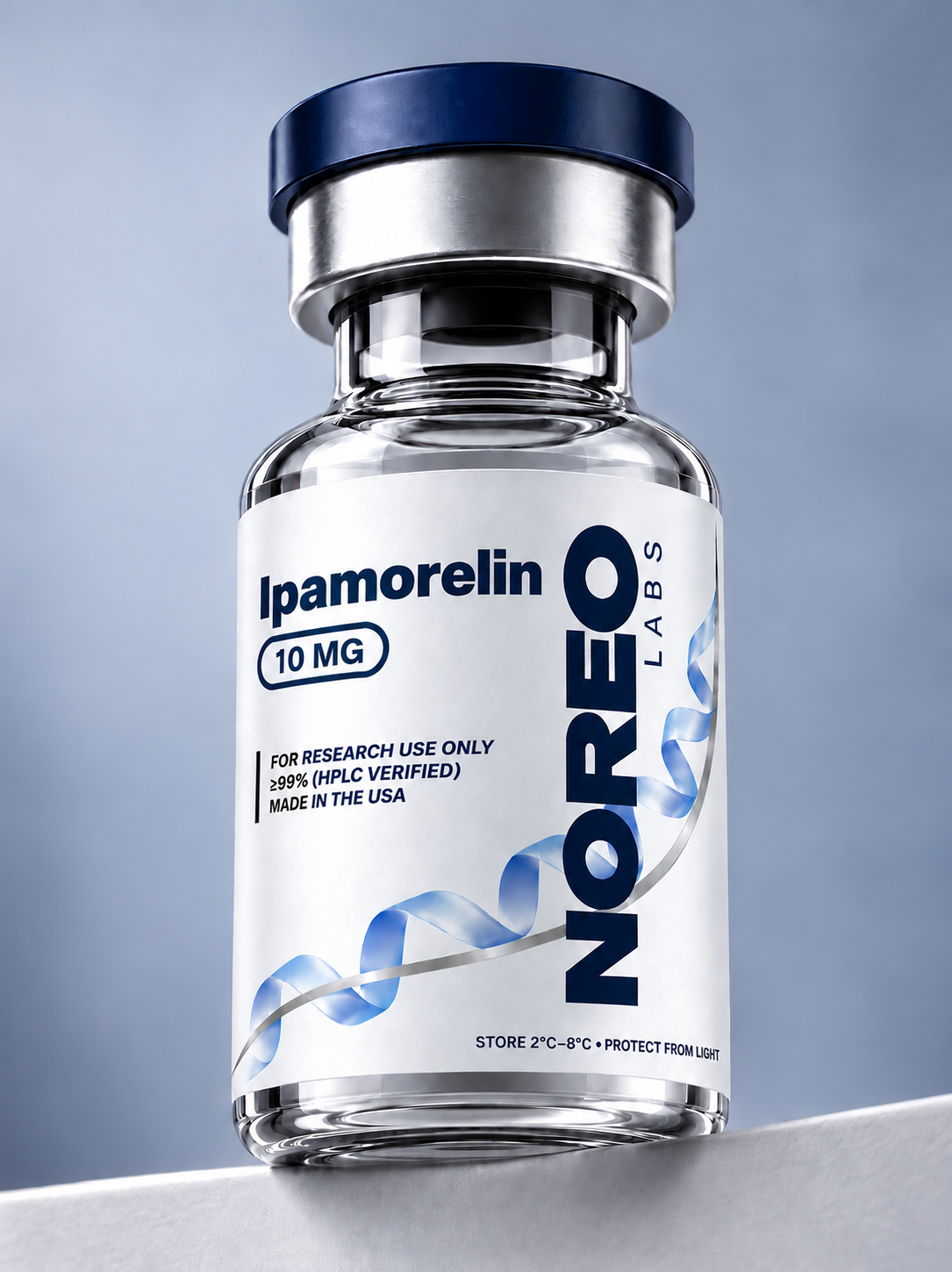
For research use only. Not for human or veterinary use.Ipamorelin. For research use only. Not for human or veterinary use.99.5%COA

Ipamorelin

For research use only. Not for human or veterinary use.

Growth Axis

$74.00

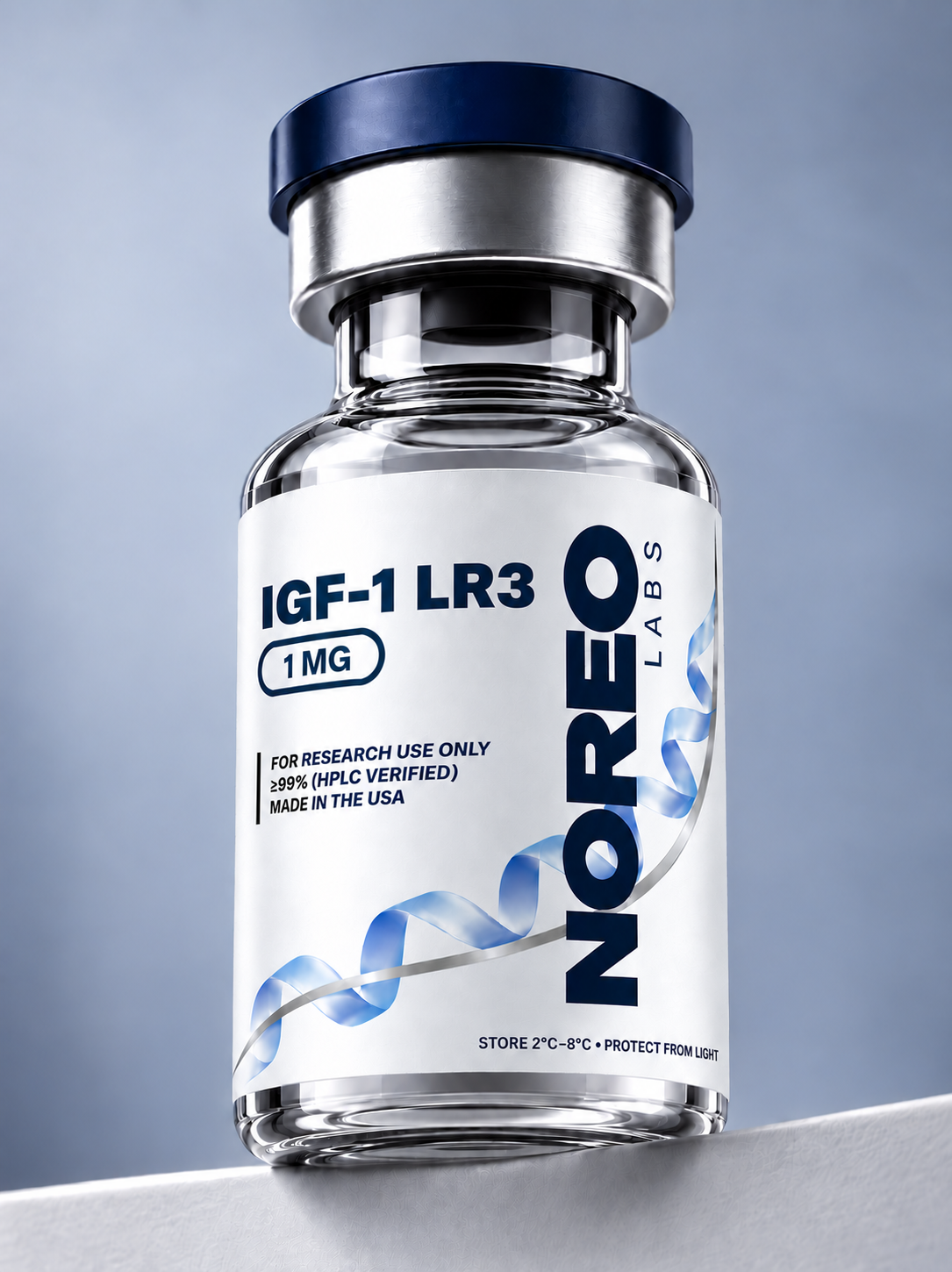
For research use only. Not for human or veterinary use.IGF-1 LR3. For research use only. Not for human or veterinary use.98.9%COA

IGF-1 LR3

For research use only. Not for human or veterinary use.

Growth Axis

$158.00

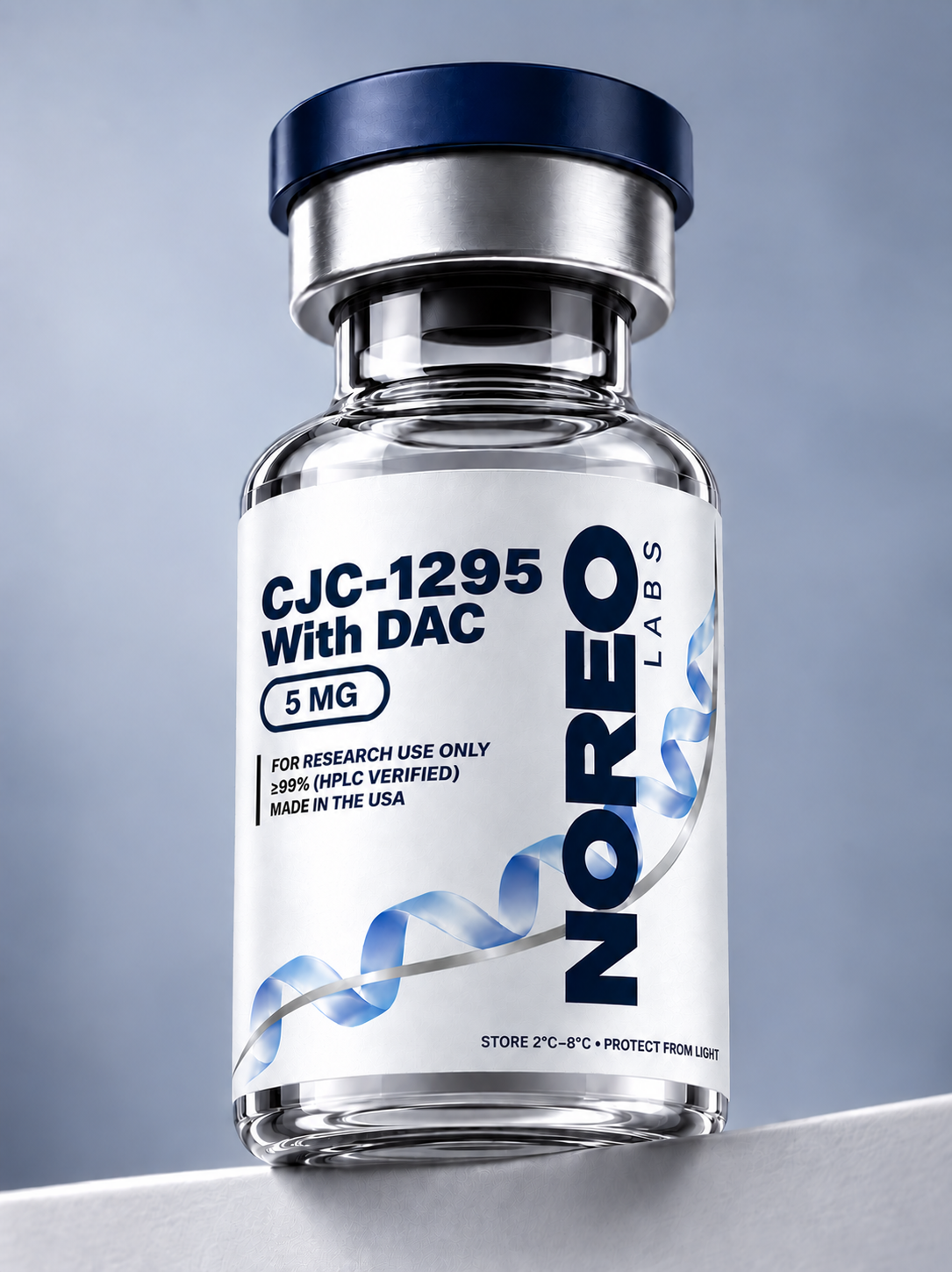
For research use only. Not for human or veterinary use.CJC-1295 (with DAC). For research use only. Not for human or veterinary use.98.8%COA

CJC-1295 (with DAC)

For research use only. Not for human or veterinary use.

Growth Axis

$112.00

Common questions

Yes. The FDA approved tesamorelin in 2010 for HIV-associated lipodystrophy, on the strength of two multicentre Phase 3 trials pooled by Falutz and colleagues. It is the only compound discussed across Noreo's growth-axis monographs holding an approved indication. Authorisation status in Canada should be confirmed against Health Canada's own product database rather than inferred from the US label.
Both are GHRH-receptor agonists, but tesamorelin is the full 44-residue GHRH sequence protected by an N-terminal trans-3-hexenoyl group, while the CJC-1295 compounds are built on the truncated 1-29 fragment with amino-acid substitutions and, in the DAC version, an albumin-binding linker. The decisive difference is evidence: tesamorelin has completed Phase 3 trials, and CJC-1295 has one published human study.
Native GHRH is cleaved by dipeptidyl peptidase-4 between its second and third residues, which destroys receptor activity and gives the hormone a half-life of minutes. The trans-3-hexenoyl group at the N-terminus physically obstructs that cleavage site, so the analogue survives long enough in circulation to be pharmacologically useful.
Yes - that is the expected downstream consequence of GHRH-receptor engagement and it was tracked as a pharmacodynamic marker throughout the trial programme. Because IGF-1 also exerts negative feedback on the axis, its rise is both the signal that the receptor was engaged and part of what limits the response.
Not at Phase 3 level. Every pivotal trial enrolled people living with HIV who had excess abdominal fat, and the 2019 liver trial studied the same population. The controlled evidence base does not extend to metabolically healthy adults, and the 2026 meta-analysis makes that narrowness visible.
It acts upstream of the pituitary at the GHRH receptor, so growth hormone output remains subject to somatostatin opposition and IGF-1 feedback rather than being replaced outright. The trials measured clinical endpoints rather than secretion architecture, so the sharpest data on GHRH-receptor pulsatility come from the CJC-1295 literature instead.